
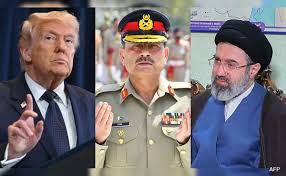
Pakistan role in Iran US negotiations is becoming more visible as Islamabad steps up quiet diplomatic efforts to ease rising tensions between Tehran and Washington. Senior officials are reportedly helping maintain backchannel contacts between Iran and key figures linked to former US President Donald Trump.
According to recent reports, Pakistan is trying to position itself as a central mediator in efforts to reduce conflict involving the United States, Israel, and Iran. The country is using its diplomatic ties with Tehran and its working relationship with Trump-era officials to open a path for dialogue.
Sources familiar with the developments say Pakistan has even предложed Islamabad as a possible venue for early-stage talks. These discussions could involve senior figures from both sides, although no formal process has been confirmed so far.
In recent days, top-level contacts have increased. Pakistan’s military leadership has reportedly been in touch with Donald Trump, while Prime Minister Shehbaz Sharif has held direct talks with Iranian President Masoud Pezeshkian. These interactions came around the same time Trump signaled a temporary pause in threats against Iran after what he described as productive exchanges with Tehran.
However, it remains unclear whether these developments are directly linked to Pakistan’s mediation efforts. US officials have stayed cautious, calling the situation sensitive and avoiding public details about any negotiations.
At the same time, other regional players are also active. Turkey and Egypt have reached out to both Iran and US representatives in an attempt to create space for a ceasefire. Pakistan’s foreign minister has also been in contact with his counterparts in these countries, reflecting a broader diplomatic push.
Iran, on its part, has denied any direct talks with the United States since the conflict began. Still, it confirmed that messages have been exchanged through friendly countries. Iranian officials say their core position remains unchanged, especially regarding strategic waterways and conditions for ending the conflict.
Experts warn that despite growing diplomatic activity, expectations should remain realistic. The situation is still tense, and current efforts appear to be in early stages rather than a structured peace process.
Some analysts believe recent shifts in tone from Washington may be influenced by pressure from Gulf nations. Iran has also made it clear that any attack on its infrastructure would trigger a wider response across the region, targeting key facilities.
While countries like Oman and Qatar have historically played a leading role in such negotiations, Pakistan role in Iran US negotiations is now drawing attention due to its balanced ties and regional position. Islamabad’s neutrality and lack of direct involvement in the conflict have strengthened its image as a possible bridge between both sides.
Even so, there is little sign that either side is ready to compromise. Observers say Iran believes it holds strategic leverage, while the United States faces growing pressure over its next move.
For now, Pakistan role in Iran US negotiations reflects an evolving diplomatic effort. Whether it leads to meaningful dialogue or remains limited to early messaging will depend on how both sides respond in the coming days.