
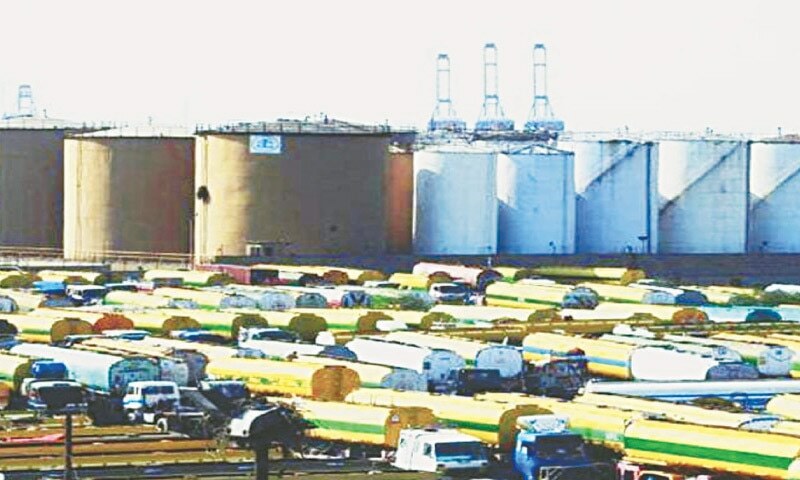
Prime Minister Shehbaz Sharif has directed authorities to build up Pakistan’s strategic petroleum reserves, describing refinery modernization as a central part of the country’s overall energy security plan. He gave the directive on Tuesday while presiding over a session of the Cabinet Committee on Energy at the Prime Minister’s Office.
During the meeting, the Committee cleared proposed changes to the Pakistan Oil Refining Policy, 2023, according to a statement released by the PM Office. The move signals renewed government focus on Pakistan oil refineries upgradation as a way to strengthen domestic fuel supply.
Why Pakistan Oil Refineries Upgradation Matters Now
PM Shehbaz told participants that modernizing the country’s refineries has become a pressing requirement. He noted that plants built to current standards would not only serve national energy needs more effectively but would also cut reliance on imported fuel while supporting cleaner energy output.
Officials at the meeting agreed that raising the production capacity of existing refineries could no longer be delayed. They pointed out that shifting fuel output to meet Euro-4 and Euro-5 standards is essential for Pakistan to honor its international environmental obligations, curb air pollution, and deliver higher-quality fuel to consumers.
The prime minister also called for reforms at the Oil and Gas Regulatory Authority (Ogra) aimed at encouraging competition, improving transparency, and drawing greater investment into the energy sector. He made clear that implementation of the revised policy must move forward without delay, warning that negligence or slow rollout would not be accepted.
Ministries and institutions involved in the process were instructed to speed up reform work while staying closely engaged with stakeholders across the sector. PM Shehbaz reaffirmed that the government intends to keep introducing sustainable reforms, adopt modern technology, and create favorable conditions for investors.
On the policy changes covering brownfield refineries specifically, the premier ordered that roadshows be organized in Qatar, Saudi Arabia, and other Gulf states to attract investor interest. He also praised the petroleum minister and his team for their work on the refining policy amendments.
The Committee received a detailed update on how refinery upgrades are progressing nationwide, along with a review of broader energy sector reforms and policy implementation. Officials explained that the amended framework is designed to secure production of environmentally friendly petrol and diesel that meets Euro-V standards, while cutting back on furnace oil and other low-grade petroleum products.
Federal ministers Ahad Khan Cheema, Muhammad Aurangzeb, Ali Pervaiz Malik, and Ahsan Iqbal attended the session, along with senior federal secretaries and other government officials.
With these approvals in place, Pakistan oil refineries upgradation is set to become a defining feature of the government’s energy strategy in the months ahead, as authorities look to balance import reliance, environmental targets, and investor confidence.