
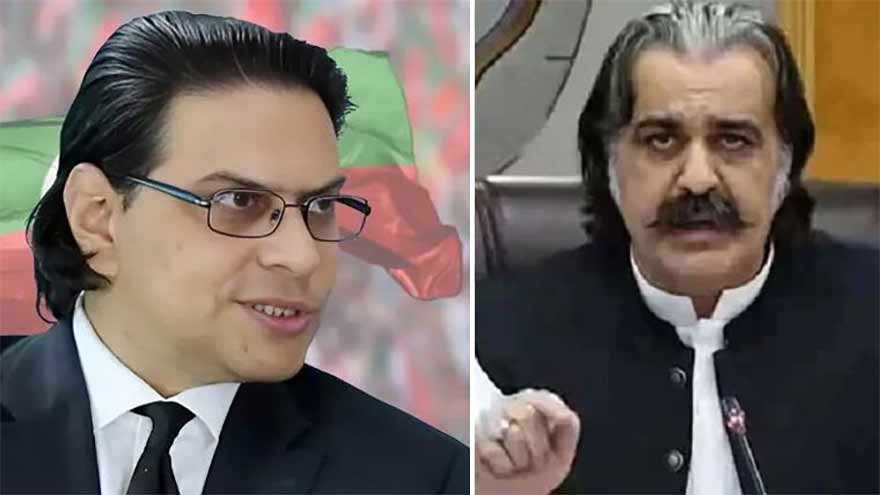
Pakistan Tehreek-e-Insaf (PTI) is facing fresh internal tensions after former Khyber Pakhtunkhwa chief minister Ali Amin Gandapur publicly challenged party Secretary General Salman Akram Raja over allegations concerning provincial lawmakers and the party’s decision-making process.
Gandapur criticised Raja’s recent comments, describing them as irresponsible and harmful to party unity at a time when PTI is already dealing with significant political challenges. He demanded that Raja identify the individuals behind his allegations and present evidence to support his claims.
The exchange has brought renewed attention to the PTI internal rift, particularly over political loyalty, leadership appointments and the authority to make key decisions in Khyber Pakhtunkhwa.
PTI Internal Rift Escalates Over Loyalty Allegations
Gandapur maintained that PTI’s elected representatives in KP should not have to prove their loyalty to individual party leaders. He argued that commitment to the party must be assessed through years of political struggle, sacrifices and contributions rather than personal judgments.
He also stressed that PTI belongs to its founder, Imran Khan, rejecting what he viewed as attempts to question the political allegiance of provincial lawmakers.
Responding to Raja’s references to allegedly undemocratic decision-makers and a suspected conspiracy within the party, Gandapur demanded clarity about who was being accused.
He specifically questioned claims that certain lawmakers were attempting to choose the provincial party president or the next chief minister without approval from Imran Khan or the party’s political committee.
Gandapur insisted that anyone making such serious accusations should identify the people involved and provide supporting evidence rather than making general allegations.
Gandapur Questions Claims of Conspiracy in KP
The former chief minister also challenged allegations that a group of PTI members had cut off communication with Chief Minister Sohail Afridi and his team, potentially creating circumstances that could lead to emergency measures or governor’s rule.
Gandapur questioned the basis of these claims and demanded an explanation of the alleged actions and the people responsible.
The disagreement highlights broader concerns about coordination within PTI’s provincial leadership and the relationship between elected representatives and central party officials.
Questions Raised Over PTI Investigation and Leadership Appointment
Gandapur also sought clarification regarding Raja’s reference to an investigation into the alleged internal dispute. He questioned who had authorised the inquiry and which party forum was overseeing it.
He argued that if an investigation was taking place, the party should have been informed through the appropriate channels.
The former KP chief minister also expressed support for PTI provincial president Junaid Akbar, referring to him warmly and wishing him a speedy recovery.
However, he questioned reports that Ali Asghar Khan had been appointed acting provincial president during Akbar’s absence. Gandapur asked whether an official notification had been issued and who had authorised the decision.
These questions have added another dimension to the PTI leadership dispute, with the process for making appointments and exercising authority emerging as points of contention.
Gandapur Defends KP Workers and Questions Central Leadership
Defending PTI’s supporters in Khyber Pakhtunkhwa, Gandapur said provincial workers and elected representatives had remained loyal to Imran Khan despite arrests, violence and other difficulties following the May 9 events.
He argued that their continued political involvement, including their performance in the 2024 general elections and efforts to defend their electoral mandate, demonstrated their commitment to the party.
Gandapur also turned his criticism towards some central office-bearers, questioning whether they had contributed enough during repeated protest marches towards Islamabad.
According to him, the participation and practical support provided by certain senior leaders during difficult moments had fallen short of workers’ expectations.
He maintained that their conduct should also be examined within the party rather than focusing criticism exclusively on provincial lawmakers.
Growing Leadership Tensions Put PTI Unity in Focus
The public exchange between Gandapur and Raja has exposed disagreements over accountability, internal investigations and leadership authority within PTI.
While Gandapur has called for evidence and transparency regarding allegations against KP lawmakers, the dispute has raised questions about how the party manages internal differences during a challenging political period.
With disagreements extending to provincial appointments, political loyalty and the role of central leadership, the latest confrontation places PTI’s internal unity under renewed scrutiny.