
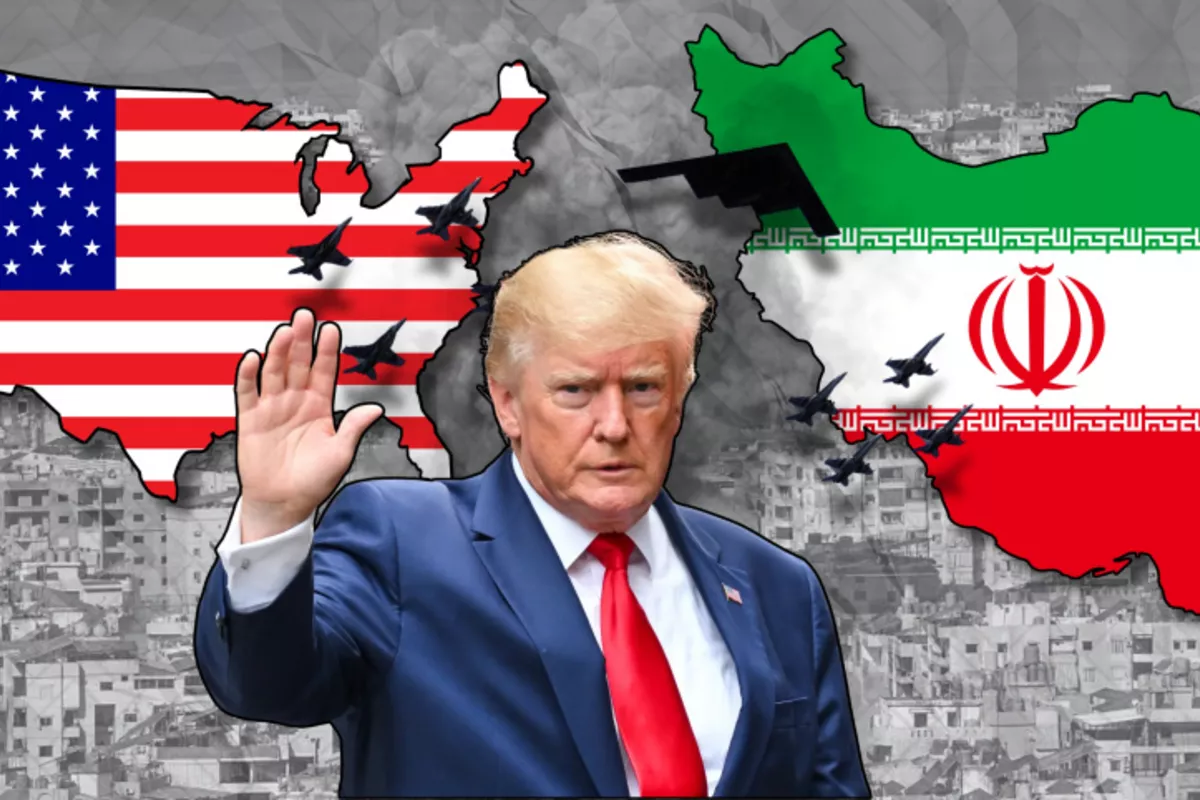
A major diplomatic development has emerged as reports suggest that a US Iran ceasefire agreement is now closer than ever, with both countries reviewing a draft plan aimed at reducing long-standing tensions. The discussions between Washington and Tehran indicate a possible shift toward de-escalation after years of conflict and pressure.
The proposed framework of the US Iran ceasefire agreement is reportedly limited to one page but carries several key points that could reshape regional stability. Among the most important proposals is the easing of restrictions on the Strait of Hormuz, a critical route for global oil shipments. If implemented, it could significantly improve international trade and energy flow.
Sources also suggest that the US Iran ceasefire agreement includes provisions for releasing frozen Iranian assets, offering Iran major economic relief after years of sanctions. In return, Iran may agree to limit uranium enrichment activities, which has been a central issue in ongoing nuclear tensions.
Officials and analysts believe that if the US Iran ceasefire agreement is finalized, it could not only reduce hostilities in the Middle East but also bring stability to global energy markets, which have been sensitive to regional unrest.