
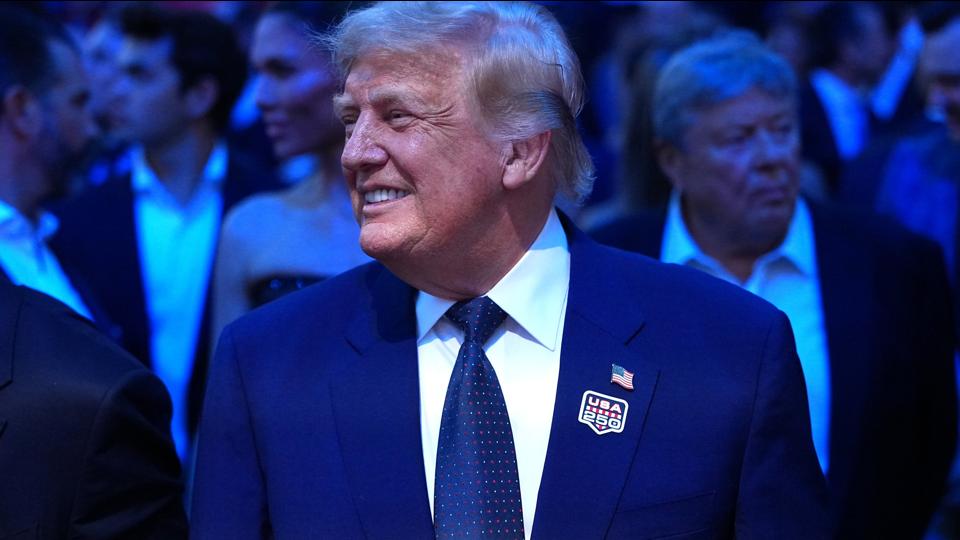
A US-Iran ceasefire deal has been signed, according to US President Donald Trump, marking the most significant diplomatic breakthrough since the conflict began earlier this year.
Speaking after arriving in France for the G7 summit, Trump said the agreement had been finalized and that US Vice President JD Vance would attend a formal signing ceremony in Geneva later this week.
The agreement extends the fragile ceasefire announced in April by another 60 days and allows the reopening of the Strait of Hormuz, a vital shipping route that carries a significant share of global oil supplies.
The conflict has claimed at least 7,000 lives, mainly in Iran and Lebanon, and has disrupted energy markets worldwide. Following news of the agreement, oil prices fell to their lowest level since March.
Despite the announcement, both Washington and Tehran emphasized that a permanent peace settlement has not yet been reached. The current document serves as a preliminary framework, with negotiations expected to continue on major issues, including Iran’s nuclear program.
Iranian President Masoud Pezeshkian described the memorandum of understanding as an important step toward ending the fighting. However, he stressed that a lasting truce still requires further negotiations.
Vice President Vance said the memorandum is a brief and general document, adding that more details will be released in the coming days. According to US officials, the agreement includes a substantial sanctions relief package for Iran.
Officials from both countries say the arrangement could eventually provide significant economic benefits to Iran through sanctions relief, access to frozen assets, and a proposed $300 billion reconstruction fund financed by Gulf states.
In return, US officials expect Iran to guarantee that it will not develop a nuclear weapon and to reduce support for armed groups operating across the region.
The agreement does not resolve several key disputes. Questions remain about Iran’s stockpile of enriched uranium and the future structure of its nuclear program. Iranian officials maintain that their nuclear activities are peaceful and insist they have made only limited concessions by returning to negotiations.
The reopening of the Strait of Hormuz is another major component of the deal. However, shipping companies remain cautious and are expected to resume normal operations only after security conditions improve.
Tensions also continue in Lebanon, where fighting between Israel and the Iran-backed group Hezbollah remains a major obstacle to broader regional peace.
Israeli Prime Minister Benjamin Netanyahu said Israel would maintain its military presence in southern Lebanon and reserve the right to respond to any attacks. He rejected calls for a withdrawal, saying he had remained firm on the issue during discussions with international partners.
Security sources reported a reduction in hostilities following the announcement, although clashes and military operations have not stopped completely. Iranian Foreign Minister Abbas Araqchi called for an immediate end to Israeli military actions.
While the US-Iran ceasefire deal represents a major diplomatic development, significant differences remain over regional security, Lebanon, and Iran’s nuclear future. Negotiators will now attempt to turn the temporary arrangement into a comprehensive peace agreement.