
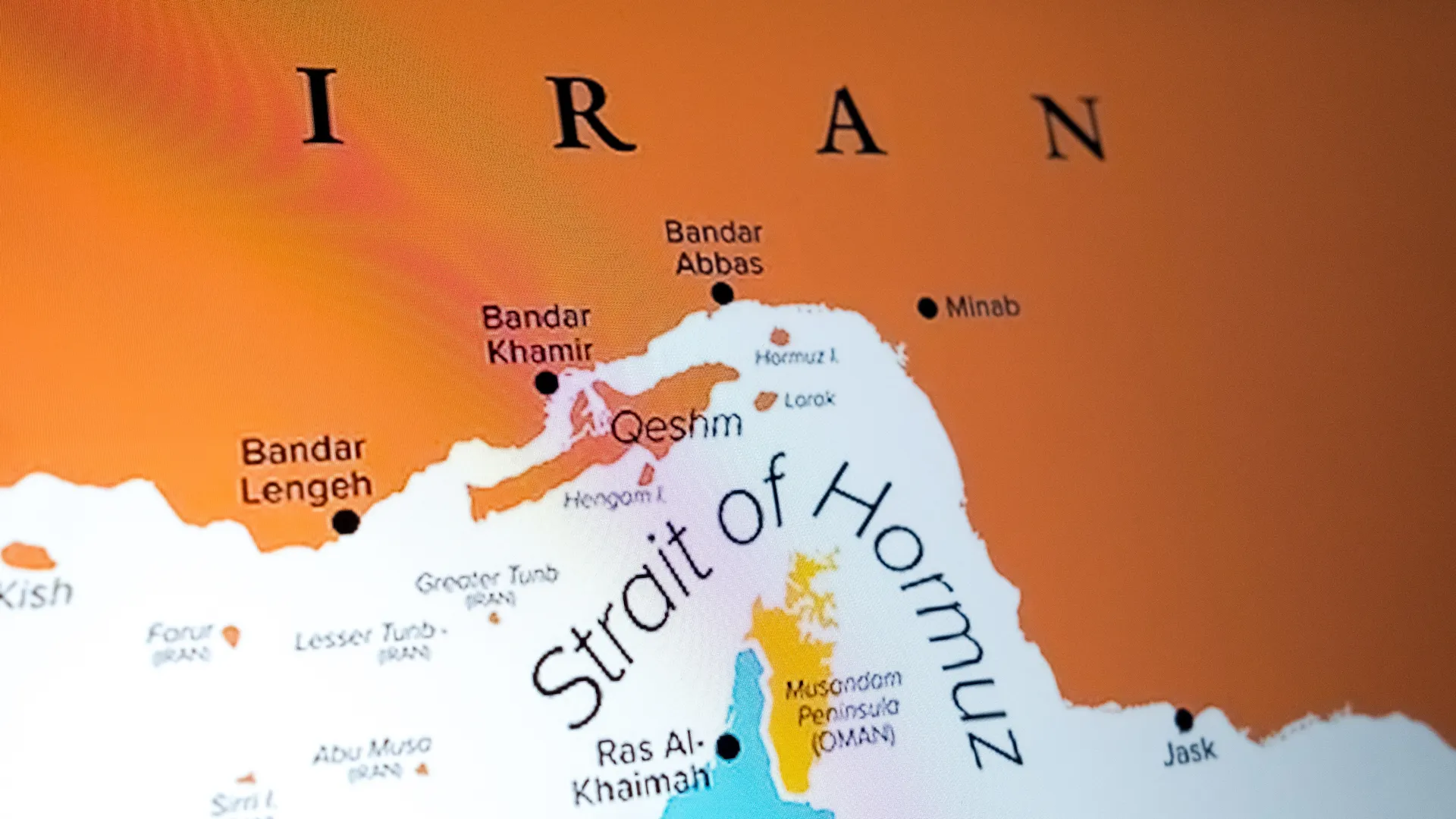
The US-Iran conflict over Strait of Hormuz has intensified as Washington and Tehran continue to take opposing positions on nuclear material and control of one of the world’s most critical shipping routes. Despite ongoing diplomatic engagement, no breakthrough has been achieved so far.
US Secretary of State Marco Rubio said there were “some good signs” in recent discussions, but warned that major differences still remain. He noted that a diplomatic solution would become impossible if Iran moves ahead with a toll system in the Strait of Hormuz.
The US-Iran conflict over Strait of Hormuz also escalated after former US President Donald Trump said Washington intends to recover Iran’s highly enriched uranium stockpile. He claimed the material would not be allowed to remain in Iran and suggested it could eventually be destroyed after retrieval.
Trump also strongly opposed any plan by Tehran to charge fees for passage through the strait, calling it an international waterway that must remain open for global trade. He warned that the United States would not accept restrictions on shipping routes that handle a large share of global oil and gas supply.
Iran, however, has maintained its position on both nuclear enrichment and its authority over the Strait of Hormuz. Iranian officials say uranium enrichment is for peaceful purposes, while insisting on their rights over the strategic waterway. A senior Iranian source confirmed that while gaps remain in negotiations, some differences have narrowed.
Oil markets reacted sharply to the uncertainty, with prices fluctuating during volatile trading sessions. The ongoing US-Iran conflict over Strait of Hormuz has raised concerns about global energy stability, especially as nearly one-fifth of the world’s oil previously passed through the route before the conflict disrupted flows.
US officials have also warned that military options remain on the table if Tehran does not meet American demands. Trump said strikes could resume if Iran fails to provide what he called the “right answers,” while Iran’s Revolutionary Guards warned of strong retaliation if attacks are repeated.
At the same time, diplomatic efforts are still continuing behind the scenes. Reports suggest Pakistan’s Army Chief General Asim Munir may be involved in mediation efforts, while Pakistani Interior Minister Syed Mohsin Naqvi recently carried messages between Washington and Tehran during high-level meetings in Iran.
Despite these efforts, progress remains limited. The US-Iran conflict over Strait of Hormuz continues to influence global markets, especially oil prices, which remain sensitive to any escalation in tensions.
The International Energy Agency has warned that the situation could worsen during peak summer demand, pushing global energy markets into a “red zone” if supply disruptions continue. Shipping traffic through the Strait of Hormuz has also dropped significantly compared to pre-war levels.
Iran has indicated it may reopen the strait under conditions that favor friendly countries, including possible fees and compliance with its rules. US officials, however, have rejected this idea, calling it illegal and dangerous for global trade stability.
As tensions persist, both sides remain far apart, and the US-Iran conflict over Strait of Hormuz shows no clear path toward resolution. The situation continues to raise fears of broader regional instability and further economic disruption worldwide.