
NEW DELHI: Eid ul Adha restrictions in India have triggered widespread concern as authorities introduced strict measures on animal sacrifice and public religious gatherings ahead of the festival.
The Eid ul Adha restrictions in India include a ban on the slaughter of cows, calves, and camels, along with limits on where Muslims can perform religious rituals. The decisions have drawn attention and raised questions about religious freedom and the right to practice faith without interference.
In Uttar Pradesh, Chief Minister Yogi Adityanath directed officials to strictly enforce rules ahead of Eid ul Adha. These measures include allowing animal sacrifice only at designated locations and banning any slaughter in public areas. Authorities also prohibited road blockades for Eid prayers and ordered that no new traditions be introduced during the festival.
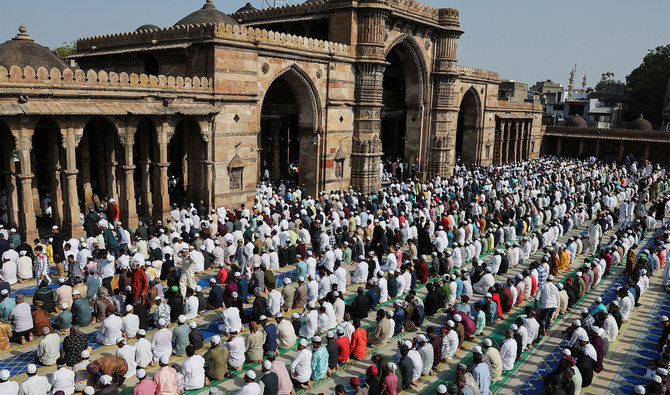
Officials further instructed that Eid prayers must only be held at traditional sites, with a complete ban on offering namaz on roads. District administrations were told to maintain strict monitoring and ensure compliance with all guidelines.
As part of the Eid ul Adha restrictions in India, the Uttar Pradesh government also ordered a crackdown on open meat sales and illegal slaughterhouses. Security has been tightened, with flag marches and increased patrols around religious locations during the festival period.
In Delhi, Minister Kapil Mishra warned of strict action against illegal animal transport, unauthorized slaughter, and what authorities described as animal cruelty. He said animal sacrifice would only be permitted at approved and designated sites to maintain law and order.
Across India, Muslims observe Eid ul Adha as a major religious festival marked by the ritual sacrifice of animals, prayers, and charity. The festival commemorates the devotion of Prophet Ibrahim (AS) and is widely celebrated with family gatherings and distribution of meat among relatives and the poor.
However, the growing Eid ul Adha restrictions in India have sparked debate, with critics arguing that such measures may limit religious expression, while authorities maintain they are necessary for public order, hygiene, and legal compliance.
The debate continues as communities prepare for the festival under tighter regulations this year.