
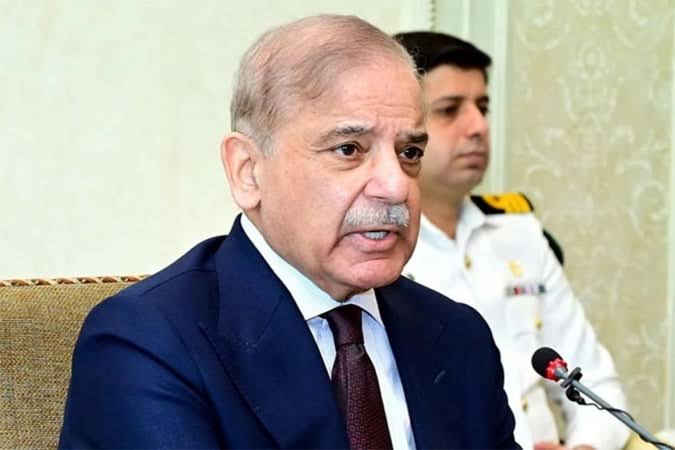
Prime Minister Shehbaz Sharif announced on Thursday that his government is prepared to sit down with opposition parties, likening the political standoff to a dance that requires participation from both sides.
Speaking during a federal cabinet meeting, the premier said the decision on when to begin negotiations now rests with the opposition. He extended a formal invitation for dialogue, framing it as the most effective route to settling outstanding political disputes.
According to the prime minister, cooperation between the government and opposition benefits not just democratic institutions but also the country’s broader economic recovery.
Fresh Offer Follows Stalled Negotiations
This isn’t the first time Shehbaz Sharif has floated the idea of opposition talks. Earlier attempts to engage with Pakistan Tehreek-e-Insaf, the country’s largest opposition force, ended without any concrete progress.
The timing of this renewed outreach is notable. It comes shortly after the Supreme Court directed jail officials at Adiala to move PTI founder Imran Khan to Shifa International Hospital, a request his party had pushed for over an extended period.
Khan, aged 73, has been behind bars since August 2023, serving sentences he and his supporters have long characterized as politically motivated rather than legally justified. His troubles with the law expanded significantly after he was removed from the prime minister’s office in April 2022 through a no-confidence vote.
Political Temperature Could Ease, Says PTI
The Supreme Court’s directive appears to have opened a door for renewed political engagement. Both camps have recently signaled some openness to easing hostilities and restarting talks that had previously broken down.
PTI Chairman Barrister Gohar Ali Khan responded positively to the court’s decision, saying that carrying out judicial orders properly could go a long way toward cooling the country’s heated political climate.
Gohar pressed the ruling coalition to treat dialogue as the priority rather than pursuing actions that risk widening existing political rifts. He added that resolving disagreements through negotiation is preferable to escalation, and urged politicians on all sides to steer clear of inflammatory rhetoric that could reignite tensions.