
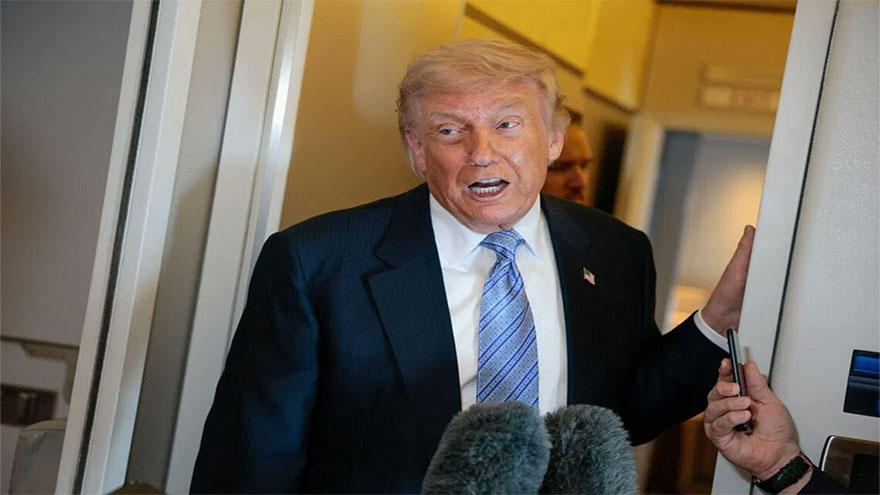
US President Donald Trump said he is losing patience with Iran as tensions in the Middle East continue to grow and global energy markets remain under pressure. Speaking after high-level talks with Chinese President Xi Jinping in Beijing, Trump warned Tehran to reach a deal soon and reopen the Strait of Hormuz, a key route for global oil shipments.
Trump says he is losing patience with Iran because negotiations over Tehran’s nuclear programme have shown little progress in recent weeks. Iran has refused to stop uranium enrichment and has also resisted demands linked to its nuclear stockpile. The standoff has increased fears of another major military escalation in the region.
The Strait of Hormuz remains at the centre of the crisis. Iran restricted most shipping traffic through the waterway after US and Israeli strikes earlier this year. The disruption has shaken global energy markets and pushed oil prices higher. Reports said crude prices climbed nearly three per cent as traders worried about fresh instability in the Gulf region.
During his visit to China, Trump said Xi agreed that Iran should not be allowed to develop nuclear weapons and that shipping through the strait must return to normal. Trump also revealed he is considering lifting sanctions on some Chinese oil companies that buy Iranian oil. China remains the biggest customer for Iranian crude exports.
Iranian Foreign Minister Abbas Araghchi said Tehran had received messages from Washington showing interest in continuing diplomatic talks. However, he added that Iran still does not fully trust the United States after previous military strikes interrupted negotiations. He said Iran supports diplomacy but is also prepared for further conflict if necessary.
Trump says he is losing patience with Iran at a time when political pressure is also increasing inside the United States. Rising fuel prices and uncertainty in global markets have become major concerns ahead of congressional elections later this year. Analysts believe the ongoing conflict has become a growing challenge for the White House.
Meanwhile, tensions across the region remain high. Iran-backed groups continue to play a role in conflicts involving Israel and Lebanon, while shipping security in Gulf waters remains fragile. Several incidents involving commercial vessels near the UAE and Oman have added to international concerns over maritime safety.