
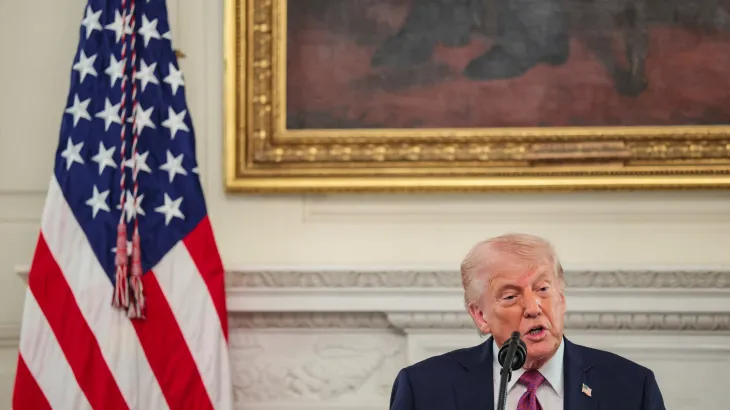
US President Trump extends Iran ceasefire, giving diplomacy more time as tensions between Washington and Tehran remain unresolved. The decision came just hours before the truce was due to expire, avoiding an immediate return to conflict.
The move followed requests from Pakistan’s leadership, who have been actively trying to bring both sides back to the negotiating table. Trump said the ceasefire would stay in place until Iran presents a unified proposal and discussions reach a conclusion.
Despite extending the truce, the United States has decided to maintain its military pressure. Trump confirmed that the blockade in the Strait of Hormuz will continue, while US forces remain ready for any escalation if talks fail.
The announcement also reflects a shift in tone from earlier threats. In recent days, Trump had warned of possible strikes on Iranian targets but stepped back to allow diplomacy a chance. International voices, including the United Nations, have stressed that attacks on civilian infrastructure would violate global law.
There has been no clear response from Iran so far. Reports suggest internal divisions in Tehran are slowing down decision-making, which has added uncertainty to the peace process.
Meanwhile, planned talks in Islamabad have hit a setback. A scheduled visit by US Vice President JD Vance was cancelled after Iran showed hesitation about joining the next round of negotiations.
Prime Minister Shehbaz Sharif welcomed the development and thanked Trump for accepting Pakistan’s request. He said the extension would help ongoing diplomatic efforts and expressed hope that both sides would move toward a lasting agreement.
At the same time, tensions remain high on the ground. The continued blockade and recent incidents at sea have added pressure, raising concerns that the situation could still escalate if negotiations fail.