
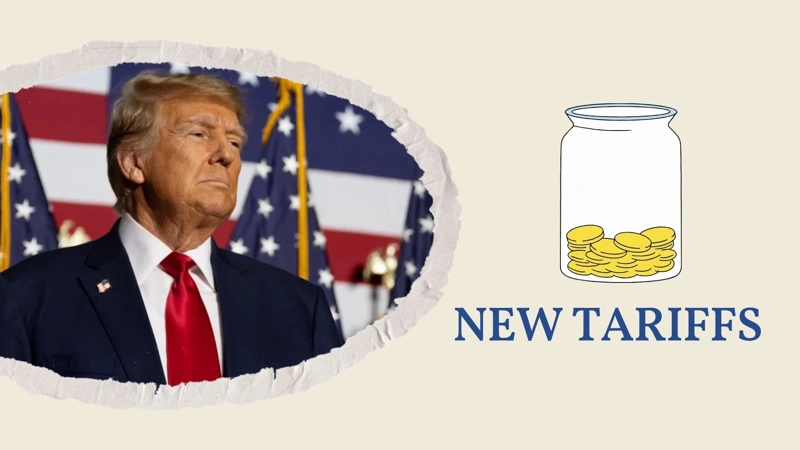
The United States has announced a proposal for US proposes new tariffs targeting around 60 economies, including Pakistan and India, over allegations related to forced labour practices.
According to the US Trade Representative (USTR), the proposed duties range between 10% and 12.5%, and will go through a public consultation process before any final decision is made.
The move comes as Washington continues to review trade practices of several global partners, including China, the European Union, and Japan. These investigations focus on whether countries are taking effective steps to block imports of goods linked to forced labour.
In a statement, the USTR said that 54 economies had failed to properly enforce restrictions on goods produced using forced labour. This list includes major trading partners such as China, Vietnam, Taiwan, the United Kingdom, and India.
Separately, six economies, including Canada, Ecuador, the EU, Indonesia, Mexico, and Pakistan, were also found lacking in effective enforcement of such measures.
US Trade Representative Jamieson Greer said the situation creates unfair competition for American workers. He said the US would no longer tolerate trade practices that allow forced labour-linked goods into global supply chains.
The proposed tariff structure includes a 10% duty on imports from several countries, including Pakistan, Bangladesh, Cambodia, Malaysia, and the UK, among others. A higher rate of 12.5% would apply to additional countries under review.
However, the proposal includes exemptions for certain goods such as beef, coffee, fruits, and nuts. Imports from Canada and Mexico that comply with existing trade agreements will also be exempt, along with selected textiles and apparel products.
The US government has invited public comments until July 6, after which hearings will be held before a final decision is taken.
The announcement comes ahead of the expiration of a temporary 10% tariff introduced earlier this year, following a Supreme Court ruling that struck down parts of former President Donald Trump’s tariff framework under emergency economic powers.