
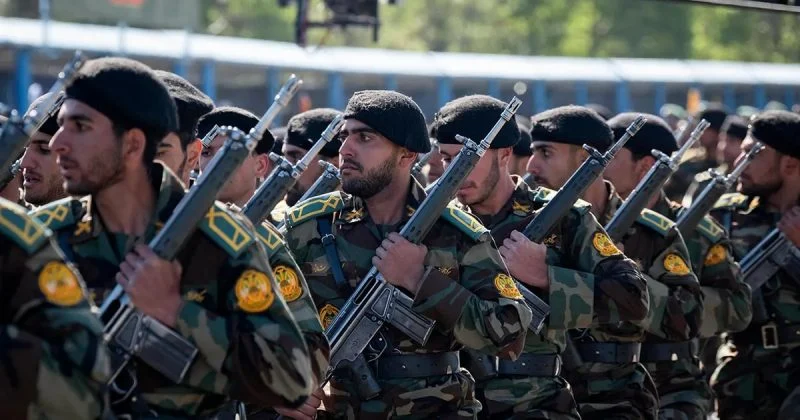
Iran is overhauling its national defense posture, moving away from a purely reactive stance toward one built on offensive readiness, according to a senior commander in the Islamic Revolutionary Guard Corps.
Brigadier General Yadollah Javani told state media that this Iran military doctrine shift marks one of the most notable changes in the country’s security strategy in recent years. He cautioned that nations opposing Tehran should now brace for unexpected moves rather than assume Iran would only respond after being provoked.
What the Iran Military Doctrine Shift Means in Practice
According to Javani, the new direction is closely tied to the leadership of Major-General Ahmad Vahidi, who recently took over as commander-in-chief. Vahidi has placed strong emphasis on what officials describe as “maximum deterrence,” a concept aimed at discouraging any potential aggression through visible strength and unpredictability rather than passive defense alone.
Javani explained that even defensive operations under this framework will now carry an offensive character. Rather than waiting to absorb an attack before acting, Iranian forces would move preemptively to identify and disable threats before they materialize.
“The enemy should know that it cannot catch us off-guard,” Javani said. “Instead, it is the enemy that must anticipate strategic surprises.”
He added that Iran would take whatever steps are required to protect its territory, maintain national security, and eliminate threats from hostile actors, stressing that such actions would be carried out “at the appropriate time.”
A Broader Shift Toward Offensive Military Strategy
This statement reflects a wider pattern within Iran’s security establishment, where officials have increasingly framed offensive capability as a core pillar of deterrence rather than a last resort. Analysts often view such rhetoric as part of a larger regional signaling strategy, particularly amid heightened tensions with rival powers.
While Javani did not detail specific operational plans, his comments suggest that Tehran intends to project confidence and unpredictability as tools of national defense. The emphasis on “maximum deterrence” under Vahidi’s command indicates that this offensive-leaning approach may shape Iranian military planning for the foreseeable future.
For now, officials have offered no further specifics on timelines or targeted threats, leaving observers to watch how this declared shift in Iran’s military doctrine translates into concrete action.