
Key Points:
- Israel and Lebanon extend ceasefire for three more weeks
- Talks held at the White House with US mediation
- US signals hope for broader peace agreement
- Both sides still accuse each other of violations
- Israel insists focus must remain on Hezbollah threat
- Lebanon seeks withdrawal and border resolution
- Situation remains tense despite reduced violence
- Extension seen as cautious diplomatic progress
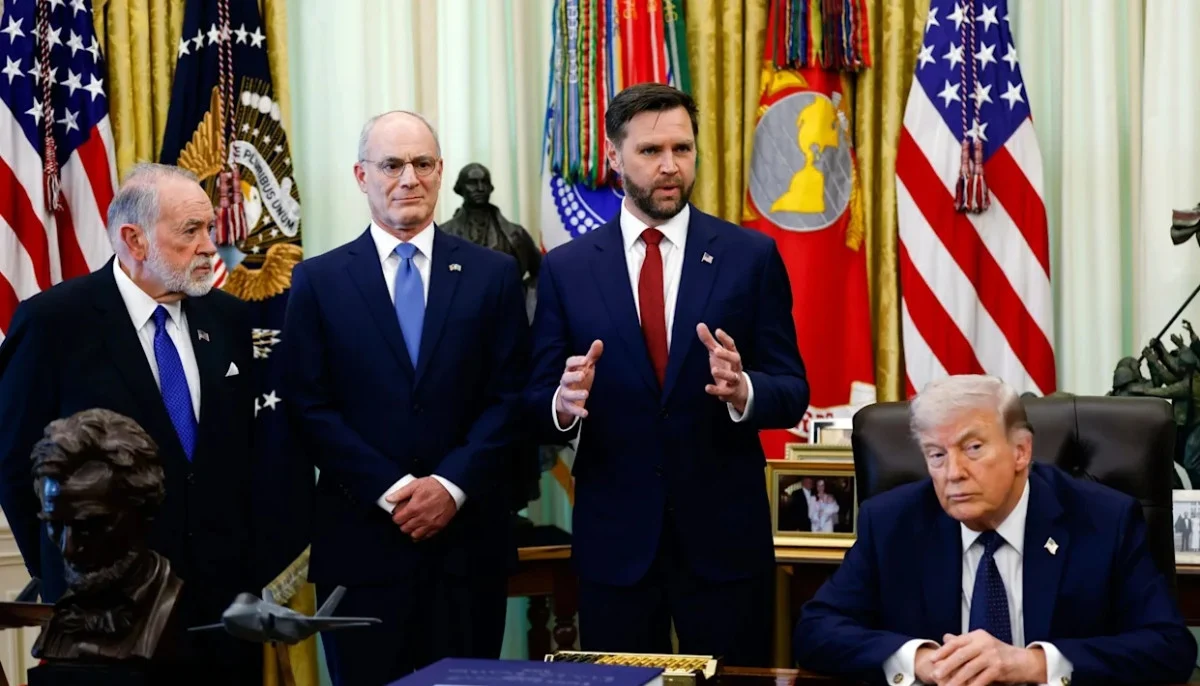
Israel and Lebanon extend ceasefire for another three weeks after high-level diplomatic talks held at the White House. The decision comes as the United States pushes both sides toward a more permanent peace arrangement in the conflict-ridden region.
The renewed agreement was confirmed following meetings between officials from Israel and Lebanon, hosted by the US administration. The move aims to reduce tensions after months of cross-border violence and repeated accusations of violations by both sides.
US President Donald Trump said he sees a strong possibility of a broader peace deal in the near future. He noted that discussions had gone well and expressed optimism about continued progress during the extended ceasefire period.
The talks included Israel’s ambassador to Washington Yechiel Leiter and Lebanon’s ambassador Nada Moawad, along with senior US officials. The meeting focused on maintaining calm and exploring steps toward long-term stability.
The extension comes after recent violence in southern Lebanon, where airstrikes and clashes have continued despite earlier ceasefire efforts. Both Israel and Hezbollah have blamed each other for violations, keeping the situation fragile on the ground.
Lebanese officials say their priority remains a full Israeli withdrawal from contested areas and progress on border demarcation. They also want discussions on detainees and broader security arrangements.
Israel, meanwhile, insists that any future agreement must address security threats from Hezbollah. Israeli officials argue that long-term peace depends on reducing the group’s military presence and preventing future attacks.
During the talks, US officials reiterated support for Lebanon’s stability and discussed ways to help strengthen its defensive capacity. However, no detailed plan was announced.
On the Lebanese side, officials welcomed the extension and expressed hope that international support could help “restore national strength and stability,” reflecting cautious optimism about the ongoing process.
Despite diplomatic efforts, the situation on the ground remains tense. Recent clashes and airstrikes have led to casualties, marking one of the most violent periods since the original ceasefire began.
Even so, the decision that Israel and Lebanon extend ceasefire has been seen as a positive step. It provides more time for negotiations and keeps the door open for a possible long-term agreement.